
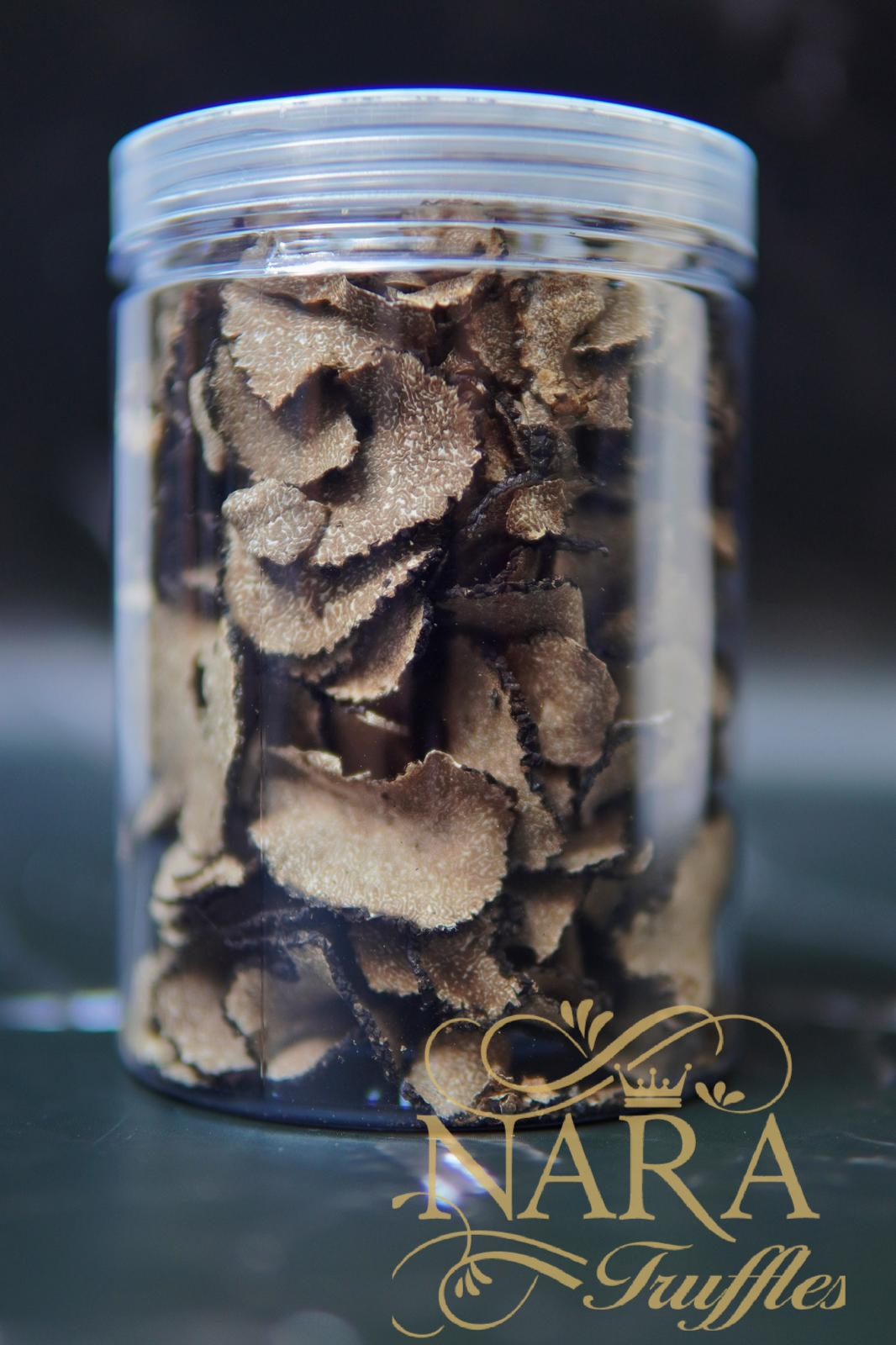
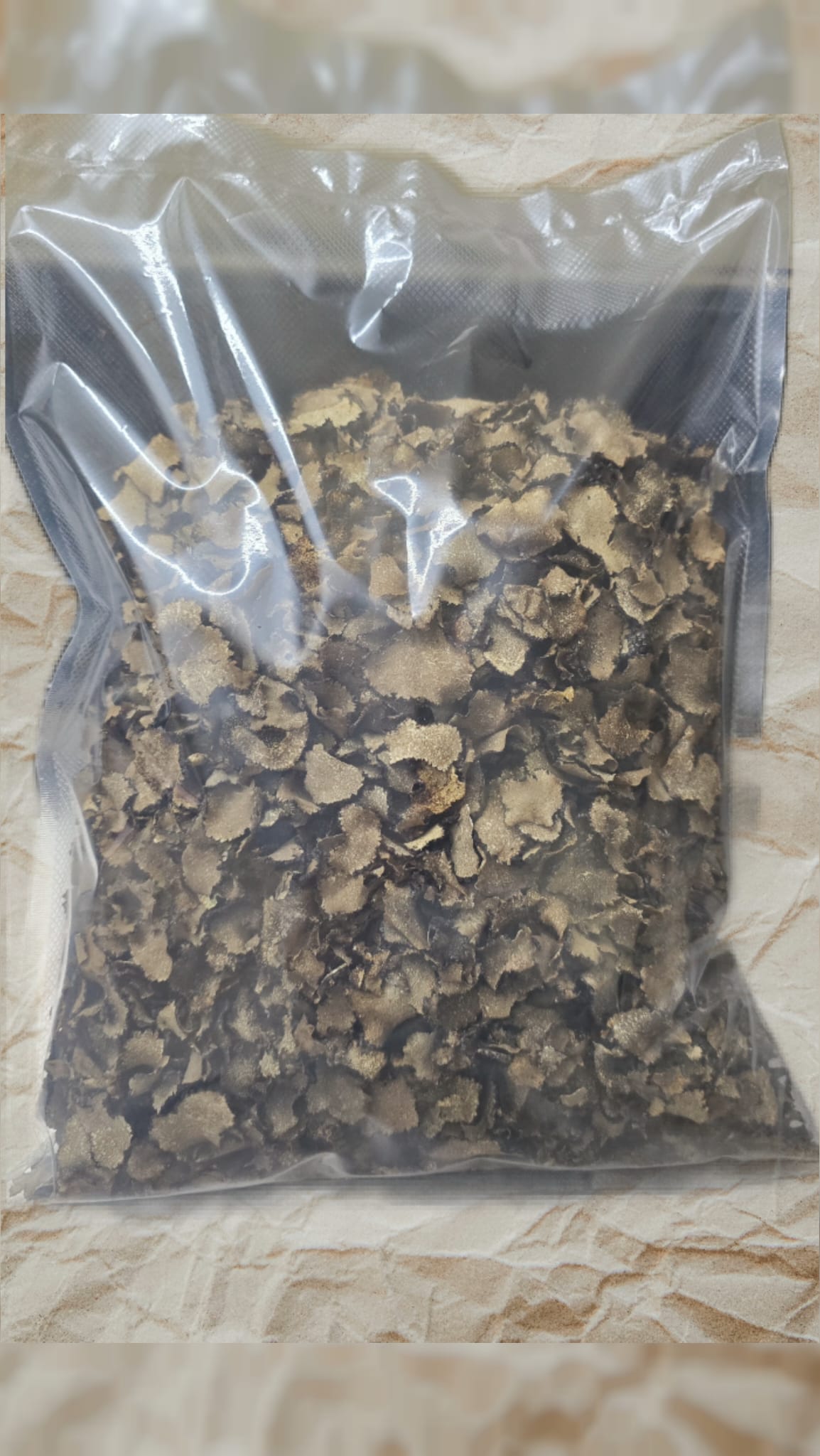
Dried black summer truffle – concentrated aroma and flavor, available year-round. Ideal for gourmet cuisine, economical and convenient to use in any dish.
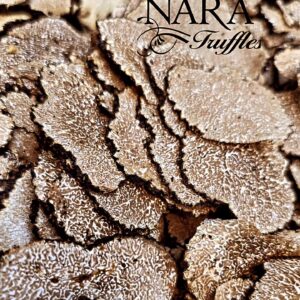
The dried black summer truffle (Tuber Aestivum) is a true culinary treasure that combines the rich flavor and aroma of fresh truffles with a long shelf life. Through a careful dehydration process, the truffles retain their natural qualities while concentrating their aroma and flavor.
Benefits of dried truffles:
-
Long shelf life – unlike fresh truffles, dried truffles can be stored for months without losing their quality.
-
Intense aroma and flavor – dehydration removes moisture and enhances the characteristic earthy and nutty notes.
-
Economical and convenient – just a small amount is enough to enrich a dish.
-
Versatility – they can be grated, ground, or soaked to restore some of their original texture.
B Why choose dried truffles?B
It is the ideal solution for restaurants, chefs, and gourmet food lovers who want to have truffles available year-round. Dried truffles are practical, economical, and at the same time offer the authentic taste of one of the world’s most prized delicacies.
Usage:
-
Add to pasta, risotto, meat dishes, or sauces
-
Use ground as a spice for a unique flavor
-
Soak in water, vegetable oil, or butter for an even more intense flavor
Ingredients: 100% dried black summer truffle (Tuber Aestivum).
Storage: In a dry and cool place, away from direct sunlight.
Key characteristics:
- Appearance: The summer truffle has a black or dark brown outer skin (peridium) with a rough, pyramidal texture. The interior (globe) is creamy to yellow-brown with white, branched veins.
- Size: It typically has a diameter of 2 to 10 cm and can weigh from a few grams to over 1 kg.
- Aroma and taste: Its aroma is milder compared to other truffles, with notes of hazelnuts, wild berries, and fresh soil. The flavor is delicate and nutty.
Habitat and Harvesting:
- The summer truffle grows underground in symbiosis with the roots of trees such as oak, hazel, beech, and pine.
- It is found in deciduous and coniferous forests, primarily in Southern and Central Europe, as well as in regions with a temperate climate.
- The harvesting season typically runs from May to September.
Culinary uses:
- The summer truffle is popular in the kitchen because of its more affordable price and mild flavor, which makes it suitable for a variety of dishes.
Distinctive feature:
The summer truffle has a milder aroma and flavor compared to rarer truffle varieties, such as the Burgundy and black truffle Tuber Melanosporum, making it ideal for those just getting acquainted with truffles.

Reviews
There are no reviews yet.