Learn the differences between summer, Burgundy, winter, autumn, and white truffles. Seasons, aroma, and culinary uses in gourmet cuisine.
Truffles are among the most sought-after and prized delicacies in the culinary world. They impress with their unique aroma, complex flavor, and rarity, which makes them a symbol of luxury. However, few people know that there are different types of truffles—each with its own season, price, and character. In this article, we’ll explore the most popular types and how to recognize them.
The Most Popular Types of Truffles in Europe
1. Tuber Aestivum (Black Summer Truffle)
-
Season: May – September
-
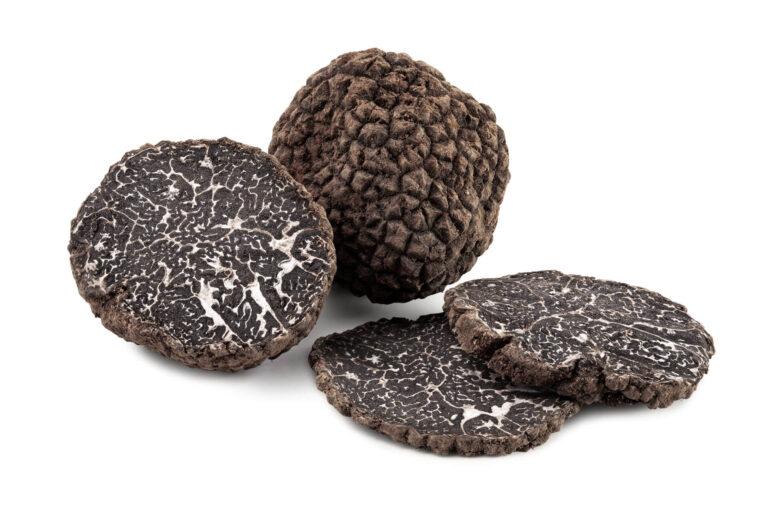
Appearance: Black, warty skin; the flesh is light brown with white veins
-
Aroma and taste: Subtle, slightly nutty, more delicate than other varieties
-
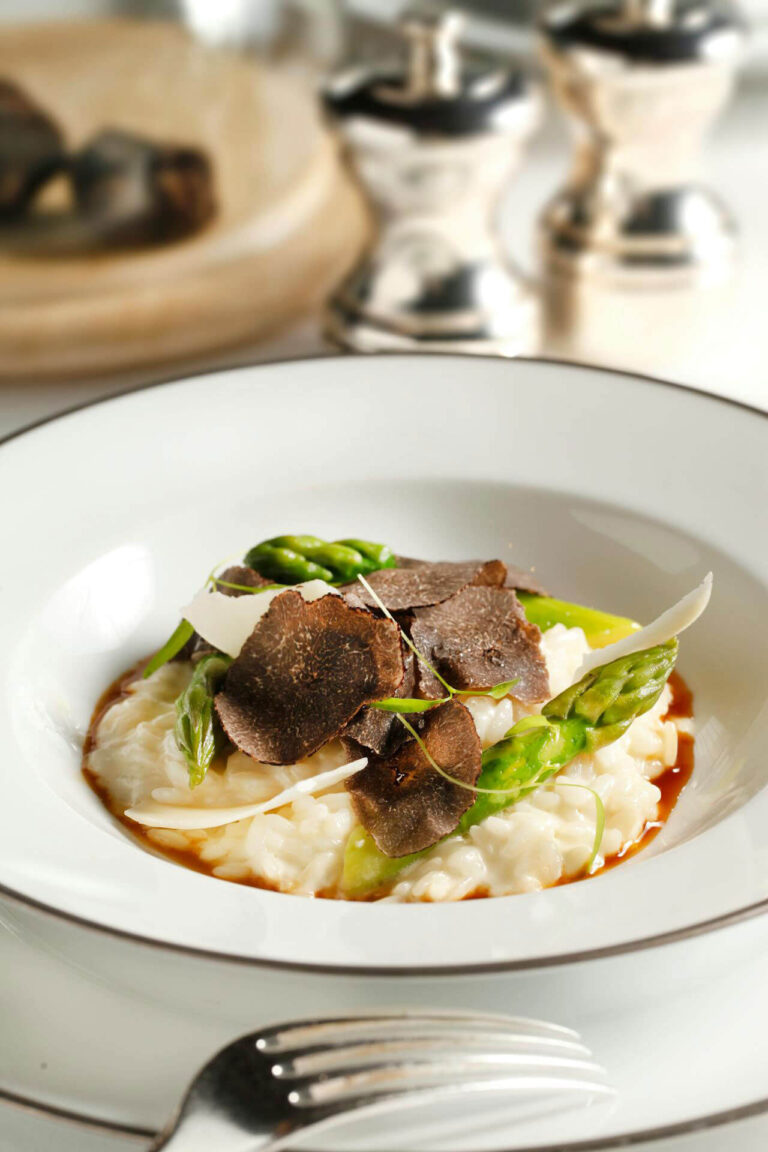
Culinary uses: Suitable for fresh grating over pasta, risotto, or salads; available in the form of canned slices, various 100% truffle pâtés or as an addition to truffles and mushrooms, which adds an incredible flavor.
2. Tuber Uncinatum (Burgundy truffle)
-
Season: September – January
-
Appearance: Resembles the summer truffle, but the interior is darker
-
Aroma and taste: More intense than the summer truffle – with notes of hazelnuts and earth
-
Culinary uses: Versatile – used in pasta, meat dishes, and sauces
3. Tuber Melanosporum or Périgord truffle (Black winter truffle)
-
Season: December – March
-
Appearance: Black skin, interior with contrasting white veins
-
Aroma and taste: Powerful, full-bodied, with a slightly sweet and earthy note
-
Culinary use: Considered the “king of black truffles,” it is used in gourmet restaurants around the world. It is a rarity in Bulgaria, but that’s why you can always enjoy Perigord truffle-flavored dressing.
4. Tuber Mesentericum (Autumn Truffle)
-
Season: September – January
-
Appearance: Dark brown to black skin, interior with prominent white veins
-
Aroma and taste: Intense and distinctive, often described as having a medicinal undertone
-
Culinary use: More accessible, used in pastas, sauces, and oils; pairs well with strong spices
B 5. Tuber Magnatum (White Truffle)
The most expensive type of white truffle.
-
Season: October – December
-
B Appearance: Light beige rind and creamy interior
-
Aroma and taste: Extremely strong, with garlicky and musky notes
-
Culinary use: Never cook it—grate it raw over dishes to preserve its aroma, or use White truffle-flavored dressing on salads, pasta, risotto, or eggs.
6. Tuber Borchii or Bianchetto (white spring truffle)
-
Season: January – April
-
Appearance: Light beige to ochre bark; flesh ranging from creamy to light brown with white veins.
-
Aroma and taste: Intense, with distinct garlic and cheesy notes; the aroma weakens with intense heat treatment.
-
Culinary use: Best raw or with minimal heat treatment—grated over eggs, pasta, risotto; ideal for truffle oil. One of the most beloved aromas and flavors. You can find it canned in slices or ground in paste, ready to use.
7. Tuber Brumale (Winter Black Truffle / Muscov)
-
Season: November – March
-
Appearance: Black, warty skin; flesh gray-brown with bright white veins.
-
Aroma and taste: Musky, slightly peppery/pungent; less complex than T. melanosporum, but distinct and persistent.
-
Culinary use: Suitable for cooked sauces, ragouts, pâtés, and truffle oils; a more affordable winter alternative.
How to choose the right truffle?
-
For a refined and delicate flavor:
→ Tuber Aestivum (Summer Truffle) – light, nutty aroma, ideal for fresh grating over pasta, salads, or risotto. -
For versatile use:
→ Tuber Uncinatum (Burgundy truffle) – more intense than the summer truffle, yet balanced and suitable for almost any gourmet dish. -
For exquisite gourmet specialties:
→ Tuber Melanosporum (Black Winter Truffle) – “the king of black truffles,” with a powerful and complex aroma, preferred in top restaurants. -
For a stronger and more distinctive aroma:
→ Tuber Mesentericum (Autumn Truffle) – distinguished by its unique, medicinal nuance; it is used with stronger spices and oils. -
For the ultimate luxury:
→ Tuber Magnatum (White Truffle) – the most prized variety, grated raw over dishes; never cooked. -
For affordable white truffles in the spring:
→ Tuber Borchii (White spring truffle / bianchetto) – a more affordable alternative to the white magnatum; aromatic, with garlic notes. -
For intense winter dishes and durability during cooking:
→ Tuber Brumale (Winter Black Truffle) – musky, slightly peppery flavor; great for sauces, stews, and cooking.
Truffles are more than just a culinary ingredient—they are an experience. Knowing the different varieties allows you to choose the most suitable one for each dish and create a unique gourmet experience.